Professional Bottle Filling Machine Supplier

A vacuum mixer machine offers lots of benefits when used correctly. Before you buy or own one, consider these factors:

Homogenization is very important for setting emulsification standards; This is because emulsification and homogenization both depend on it the most.

Can the vacuum emulsifying system make a sensitive and glowing cream for the face?; This is also a way to figure out how good the emulsifying design is.

Can the vacuum emulsifying system put together subtle and glowing face cream?; This is likewise an index to decide the quality of the emulsifying system.

The emulsifying system’s shape and its ease of use are also important. A stable build and the service has a longer life. Problems are fewer, and the process is simpler. Reliable machines keep up production and make renovations quicker.

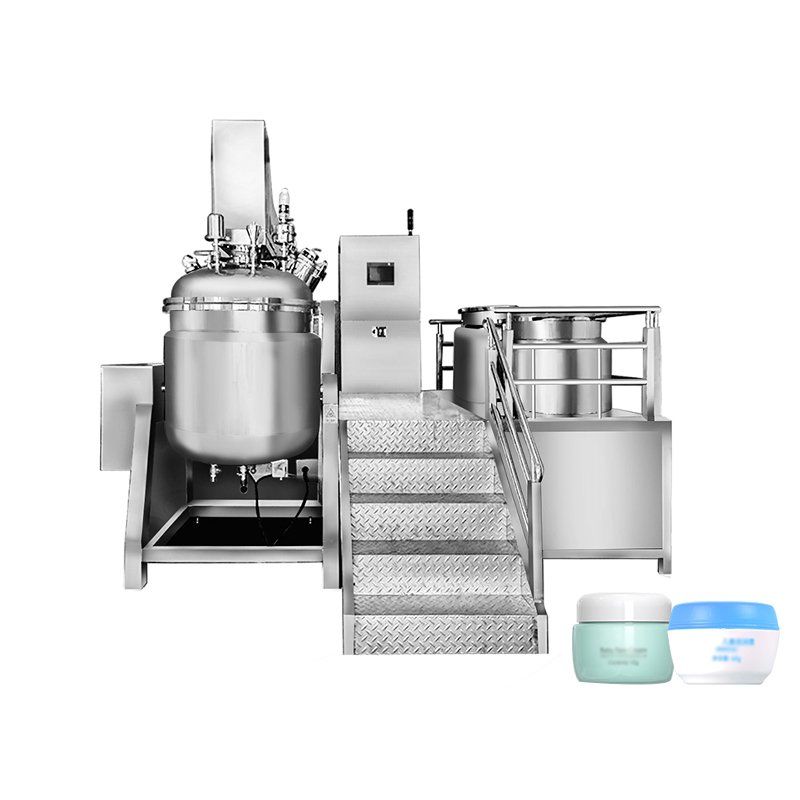
Vacuum Emulsifying Mixer for cream

The following are some other considerations:

  • Not many people know about this equipment. This machine uses vacuum features to enhance blending operation. Wherein, these features make it easier to mix and manage products.
  • Vacuuming is essential for managing the blending environment because it prevents aeration, damaging the blending blades.
  • The key to getting void-free products is mixing in a controlled environment.
  • It can handle small, medium, or large batches. Because of its capacity, it can take in 30 to 2000 liters.
  • It will help you produce lotions and other fluid products such as syrups.
  • The automated machine has a lot of power input, which speeds up the processing time—causing the product to have excellent consistency and good viscosity control.
  • An in-built CIP protects the machine from contamination and ensures hygiene.


Vacuum Emulsifying Mixer Machine Standard Quality

The vacuum mixer machine must meet standard quality requirements. Companies often increase earnings by satisfying these requirements and decreasing losses by following them. In addition to the income and customer loyalty capacity, companies that exceed exceptional standards usually stand out from the competition;

Before using the system, there should be pre-planned functions and operations in the PLC panel. In case of a problem, the PLC’s emergency stop button lets the operator stop the machine immediately. It is thus much easier to use.

Vacuums, hydraulic pumps, and people who work in the area all need safety gear.

All products must have stainless steel 316Ll contact components. Parts that don’t come into contact with the goods must also be stainless steel.

To comply with CGMP standards, the vacuum mixer machine must be sterilize-in-place (SIP) or clean-in-place (CIP).

Moreover, consider the ones mentioned above when selecting a vacuum emulsifying machine for your company. As such, to provide you with more information, we at MAKWELL manufactures vacuum mixer machines that are capable of completing the entire mixing process, such as;

  • Mix
  • Disperse
  • Emulsify
  • Homogenize
  • Vacuum
  • Heat
  • Cool off materials
  • High-speed agitators and homogenizers


How does your company handle mixing incompatible products? How can we help? We have the answer – a vacuum emulsifying mixer machine!

MAKWELL vacuum emulsifying mixer is for mixing or emulsifying high thickness materials- used for making creams, lotions, etc. Here is where you’ll find an emulsifying mixer that can blend anything!

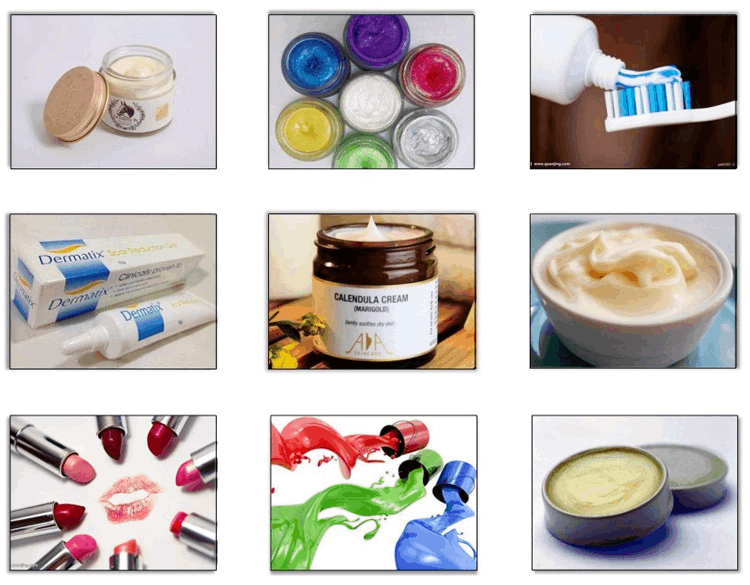
We manufacture an emulsion mixer machine that can emulsify cosmetic and pharmaceutical products, particularly viscous materials and solids, such as lotion, toothpaste, shampoo, ointment, cream, salad, etc.Applications of Vacuum Emulsifying Mixer

A high-performance motor, converter, and advanced processing technology make MAKWELL vacuum emulsifying mixers stable and efficient. Additionally, you can select the speed to suit your needs.

All vacuum systems prevent bubbles from forming in the material during operation since blending is the essential function of the vacuum emulsifying mixer.
Keeping the blending environment in a vacuum prevents air from flowing in and affecting the blending edges, will also be able to produce non-void end-product combinations. Vacuum emulsifier mixers come in different types, depending on what you need—offering medium clumps.

How will our vacuum emulsifying mixer benefit your company?

vacuum emulsifying mixer machine


1、Work volumes range from 30L to 2000L.
2、Excellent for generating small, medium, and large clumps of fine product.
3、Emulsifying is a vacuum that helps manufacturers avoid air circulation by controlling the blending environment, blending sharp edges.
4、The regulated mixing environment also ensures excellent outcomes.
5、Creams and other liquids may now be easily purified and combined.
6、The automated machine provides a great deal of energy that speeds up all the activities, allowing your company to make the most of its resources.
7、Significantly reduces wastage.

MAKWELL vacuum emulsifying mixer is ideal for emulsifying, dispersing, and suspending materials at large or small scales. Regardless of how large or little, your business is, we have a solution that will work for you.

The Vacuum Emulsifier Homogenizer is the turnkey system for producing emulsions, dispersions, and suspensions of product materials in the cosmetic, pharmaceutical, food, and chemical industries on a small or big scale production.

Vacuum Emulsifier Homogenizer: How does it work?

The Vacuum Emulsifier Homogenizer’s operation is relatively simple.

  • The mixing tank starts with filling materials. Fixed impellers with holes on them guarantee thorough mixing in the emulsifying tank.
  • As the blades revolve, they move forward and backward at varying speeds during the operation.
  • As forward mixing occurs, the material moves upward, and low-speed emulsification moves the material downward.
    The working capacity and speed of the homogenizers will depend on your type of application.
  • These two opposing pressures will cause the materials to build up and combine. This process continues until all materials are thoroughly mixed, spread out, and homogenized.
  • Inside, the heat quickly moves through the wall, distributing the heat evenly.
  • The equipment will run without air in the tank using a vacuum pump.
  • Using the vacuum sensor, the liquid pressure will be kept normal. The system is assumed to contain little extra air.

真空乳化搅拌机的安全措施

The Advantages of Vacuum Emulsifier Homogenizer

1.The use of low-temperature enhances drying to get rid of voids.

2.Nonstick Teflon is used to coat the scraper on the emulsifying machine. This material cleans easily, resists all solvents, and sustains very high temperatures.

The scraper collects the waste by scraping the material waste without stopping production. This helps to reduce waste and keep things clean while working simultaneously.

3.The whole mixing process features a closed-loop system to keep unwanted air from getting in. Air should be low or absent in the system to avoid bubbles forming in the liquid or cavitation, which causes damaging blades.
This increases the Vacuum Emulsifier Homogenizer’s lifespan.

4.MAKWELL produces a wide variety of mixers for various conditions and applications, equipped with multiple pumps and process systems built to endure even the most extreme manufacturing conditions.


Monitoring the quality of mixers

CGMP criteria are highly severe, and our mixers satisfy these guidelines. Regulators are essential to the quality control of manufacturing facilities because they make sure that production processes and procedures follow the proper instructions, are monitored, and controlled.

By following the rules of the CGMP, the manufacturing operation can be sure of its individuality, stability, and quality. Systematic quality control, strict operating procedures, and product quality deviation analysis are part of CGMP’s process.

Furthermore, MAKWELL develops and produces customer-specific Vacuum Emulsifier Homogenizer models. With a homogenizer, you may make enormous quantities of powdered materials or small to medium batches of powdered materials.

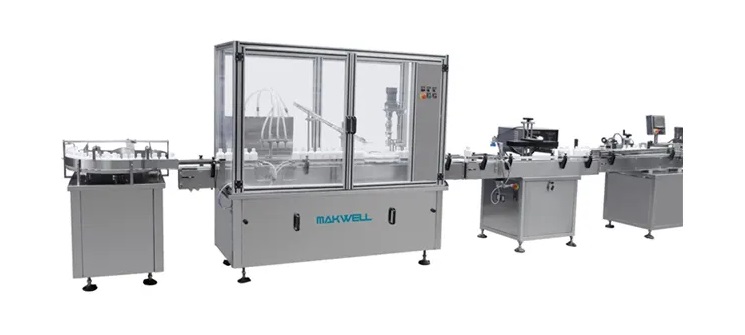
Shampoo filling machine can fill and pack a lot of liquid products, like shampoo. Nearly every shampoo packaging plant can benefit from a complete system of shampoo filling machines, caps, labelers, and conveyors. In addition to filling and packing shampoo, the equipment can also fill and package beverages and industrial liquids. You can rely on our shampoo filling machine to help keep your facility in top shape.

MAKWELL shampoo filling machine works best on viscous liquids like shampoo. There are also many different types of liquid packaging machines that we can help you add to your packing system to ensure there aren’t any mishaps and that your output is as high as possible. We certainly have a lot of choices that will work for you.

automatic shampoo filling machine

Shampoo Filling Machine Line Process

After filling bottles, the capping device puts caps on bottles to make an airtight seal that avoids contamination and leaks. You may customize containers with your logos, graphics, and product details using your transparent, Mylar, or preferred labels.

You can also use a custom-programmed system of conveyors to make sure that your shampoo products move at the same speed through the filling and packaging steps. Adding these pieces of equipment together may enable you to create an ideal production line that will produce the desired results.

Investing in a Customized Shampoo Filling Machine

We can tailor a whole line of liquid packaging and filling equipment to meet your specific requirements. Additionally, we provide a wide range of programmable machines easily integrated into practically any production line.

It may be beneficial for you to seek out the best shampoo filling machines and other incorporating production line equipment. If this applies to you, our experts can help you choose suitable machines, set up a system, and put the equipment in place. Over the long run, a custom liquid packaging system is likely to offer fewer malfunctions and more production.

Learn more about MAKWELL now to find out how you can install a new liquid packaging system in your company. You may speak with our team of professionals and experts to get started.

To ensure that your shampoo filling equipment is performing to its full potential and to help you increase productivity, even more, take advantage of our additional services, such as operator training, field service, performance enhancement, and field service, among other things.

Your facility’s water, electricity, and gas utilities should be ready upon installing the system. Following the arrival of your vacuum emulsifying mixer, it will be set up in the following manner:

1. Examine each valve and switch to ensure that it performs its actual and individual purpose.

2. Look for signs of consistent rotation, if the sweep wall stirrer is in the proper position and operating correctly, or whether the rotation function has the potential to be crucial.

3. Verify if there is no water within the heating interlayer before turning on the power. Do not turn the power on when the liquid stage is beneath the heating rod.
To ensure proper operation of the steam heating system, make sure that all of the connecting pipes and valves between the steam generator and the vacuum emulsifier mixer are fully functional.

4. Verify that the electricity indicators, voltage, meters, and other machine components are properly working before continuing.
5. When in process, the fabric must be heated and stirred simultaneously, under your system and the manufacturer’s production process.

6. While the fine cloth is present within the pot, the homogenizer may be turned on, and the wall swept simultaneously.
The sweep wall stirring speed can be adjustable from the minimum to the maximum, for instance, from zero to the optimum rate.

7. If the homogenizer fails to operate correctly, the power must be turned off immediately, and the unit must be dismantled and repaired. It is important to extend the vacuum control switch before opening the vacuum pipeline valve when the vacuum pump is activated.

8. Close the vacuum valve first, and then turn off the electrical supply when the vacuum valve is closed. When the vacuum stress hits a negative value between 0.05 MPa and 0.06 MPa, open the feed valve to allow the water and oil pot substances to get sucked into the vacuum chamber.
Additionally, check the filter integrity regularly to verify that no pollution gets into the emulsifying pot and that the homogenizer is functioning correctly.
The vacuum created within the emulsifying pot must be kept to a minimum. As a whole, it should be stored between –0.05 MPa and –0.06 MPa to avoid contact with boiling water.

9. Taking good maintenance of machines is essential when they are in operation. You’ll have to shut off your equipment before leaving the location or facility.

10. Before the system ceases to operate, it is important to reset the frequency converter to zero and then hit the stirring power switch.

11. Open the vacuum exhaust valve after shutting off the electrical transmission.

12. Following removing any products and keeping the pot clean, flush the pot’s interior with warm water to remove any remaining residue.

Generally, a vacuum emulsification machine is a readily available component. Incorrect emulsion mixer machine operation is a frequent cause of equipment failure. Achieving sufficient performance is partly attributed to the practical, technical structure and application of each system element and the proper functions and protection provided to the user.

A vacuum emulsifying mixer machine is often used to emulsify highly viscous materials, producing ointments, lotions, and creams.

The following information is an overview of a vacuum emulsifying mixer. Get to know the machine’s functioning, its applications, products made, as well as its benefits for the purpose of selecting the most suitable machine for production.

Functions of the Vacuum Emulsifying Mixer

  1. Provide moderate clumps
    The RS vacuum emulsifying mixer is ideal for small to medium clumps and has comparable restrictions to the RX emulsifier, which ranges from 50L to 2000L. Purification of creams and other liquids using this method is achievable in most cases. However, the emulsifying mixer RB mixture is best suited for large and continuous batches of emulsions.
  2. Controlled Blending Process
    Regulating the blending environment into a vacuum condition will prevent air circulation and result in edge sharpening- will also produce non-void result combinations. Emulsifying machines are available in a variety of configurations and modifications for clients or businesses.


In What Applications Do Vacuum Emulsifying Mixers Work Today?

Food Industry
The vacuum emulsifying mixer has been commonly used in the food business. Producing the following food products:
• Mayonnaise
• Spreads
• Margarine
• Dressings
• Jams
In addition, companies use these machines for handling thick materials like;
• Child food
• Cheddar
• Chocolate
• Sugar
• Oral fluids

Cosmetic industry
Vacuum emulsifying mixer machines are often used to manufacture restorative or therapeutic products such as;
• Moisturizers
• Treatments
• Creams
• Toothpaste

Pharmaceutical industry
Vacuum emulsifier mixers are commonly used in the pharmaceutical industry to create emulsions. The sector is focused on various mixing methods, such as;
• Preparation process
• Gel production
• Ointment production
• Product suspensions production
The vacuum emulsifying tank is sealed, ensuring product material is heated and dispersed in a perfectly safe atmosphere. The mixer machine shall meet all sterility and hygiene requirements.

Chemical Industry
The vacuum emulsifying mixer has been extensively utilized in the chemical sector. Producing the following products:
• Washing powder
• Liquid detergent
• Coatings
• Inks
• Printing materials
• Dyeing auxiliaries
• Pesticide
• Fertilizer

Furthermore, the vacuum emulsifying mixer has several other applications in the plastic rubber, electrical and electronic, and paper manufacturing industries.

The Benefits of Using a Vacuum Emulsifying Mixer Machine

• The emulsifying machine saves time since the computerized equipment generates a significant amount of energy, which speeds up the whole contact process.

• Excellent at forming small, medium to large clumps of refined products, as well as large quantities of fine goods. In addition, the mixer may produce work limitations ranging from 30L to 2000L.

• A vacuum mixer for emulsification regulates the mixing environment, helping manufacturers avoid air circulations from occurring- causing sharp edges to degenerate over time.

• The regulated blending environment also contributes to achieving products that are free of flaws.

• Creams and other liquid goods, such as hack syrups, may now be purified and blended with relative ease.

• The emulsifying machine reduces the amount of waste that occurs during the manual blending procedure.
As a result, it is possible to conduct appropriate re-visits of the handling company.

Introduction

An air freshener is designed to remove any unpleasant odors in a room or inside a car. Usually, they provide fragrances and other means to counteract the undesirable smell filling the area. They are made in various forms, such as gels, potpourri, candles, and aerosols.

In the late 1990s, the demand for the air freshener in the United States alone has skyrocketed and has reached several millions of dollars of sales each year. Now, with the lifestyle of people evolving and technology advancing, the demand for these products continue to be at peak.

The Development of Air Fresheners

Various fragrance elements have been used for a long time to counter foul odors and keep the air fresh. For instance, the ancient Egyptians were believed to have used musk and other organic materials to make their tombs fragrant. For the past 2,000 years, different kinds of elements, including various floral extracts and spices, were used for their specialty in providing a pleasing scent.

However, it wasn’t until the late 1940s when the first modernized air freshener was developed. The product was a pressurized spray that contained the following ingredients: 1% perfume, 24% alcohol, and 75% CFC or chlorofluorocarbon. The technology developed used by the military intended to discharge insecticides.

The perfume provided a fine scent that was able to remain suspended in the air for quite a long time. The formula of the perfume became the basis in the business. After that, the sales of these products went up significantly.

In the 1950s, a lot of companies started to experiment on their own and added different elements or chemicals to counteract odors. Most of these chemicals were used to eliminate the foul odors completely, instead of merely masking them with pleasant scents. Perfume that makers pro These chemicals were able to eliminate different kinds of unpleasant odors, such as amine odors that are associated with fish, cooking smells, cigarette smoke, and human and animal waste odors. The chemical compounds used for this purpose included long-chain aldehydes, unstained and some pre-polymers.

For quarter a decade, the air freshener made from aerosol formula was improved for better performance at economical costs. However, around the 1970s, the market for perfumes stayed away from aerosols. This was a result for the growing concerns regarding CFC destroying the ozone layer Aerosols played a significant role in the perfume business so companies found a way to reformulate the chemical to prevent it from completely disappearing.

In the 1990s, the use of candles and potpourri began to rise again. As a result, different types of air freshener products were developed. For instance, the Crystal Candle from Arizona Natural Resources, Inc., has developed candles that can eliminate unpleasant odors completely. They have also produced aromatherapy candles, which have various therapeutic functions.

The Raw Materials Used

The perfume oils used in the preparation of the air freshener fragrance formula are divided into several types including:

• Aldehydes – they belong to the synthetic fragrance category. Once concentrated, these components will smell soapy. But, when they are combined with the right amounts of water, they produce a flowery and sweet smell.
• Floral notes – they are one of the oldest and most well-known fragrance elements. Some examples include jasmine and rose.
• Green fragrances – they are fresh and have a scent similar to plant stems and cut grass.
• Oriental fragrances – often, they can be found in animal materials, like musk. These scents are sweet, strong, and heavy.
• Herbal and spice fragrances – The elements to make these notes include cedar, sandalwood, cinnamon, sage, cloves, moss, and lavender.

These ingredients of the air freshener can be mixed with synthetic fragrance elements including aldehydes, alcohol, and ketones among others. After, they will be combined with various gelling materials. The gel mold that contains the scent can either be organic or inorganic. Usually, They are produced hot and the fragrances are added while they cool down to preserve the quality of the perfume.

The Manufacturing Process

air freshener filling machine

Air Freshener Filling Machine

Perfume Pack Production

In an air freshener plug-ins, the fragrance trays are produced using an air freshener card filling machine at different locations. The disposable case or packaging is made of a transparent, a polyvinyl film, and various types of thermoplastics including polypropylene, polyethylene , vinyl acetate and polyvinyl chloride.

These production lines can run with either the primary or refill package. A casing or collating machine is used when the refill package is run. This setup will let the manufacturer to change between various fragrance types easily.

The hand wheels on the package assembling machine will move the counters to adjusted numbers when shifting between the primary and refill package. This enables transition between scents to be done in minutes.

Heater Production

The protective case for the electric plug is usually made from thermoplastics, like polyimide, p-phenylene oxide, polycarbonate, epoxy, and phenol-formaldehyde. To keep costs at bay and save time, the housing of the plug and the prongs are made of the same structure that will be molded together. The prongs’ surface will then be given a metallic coating so they can conduct electric current.

Air Freshener: Final Adjustments and Packaging

The heater unit and the fragrance tray are packed in a carton using a packaging machine. The folding cartons will be loaded manually into magazines on the package forming machine. Usually, three cartons will be elevated simultaneously and delivered to a fifth-panel folder that is custom-designed. Two flaps will extend over the sides of the carton to help in supporting the panel during the heater unit and fragrance tray loading.

The cartons will then be rotated as they move down to the assembly line. Melted adhesive will then be applied to each side of the carton.

The fragrance trays will then be loaded into two equipment that will adjust the packages for insertion into the prepared cartons. As these cartons pass the feeder bowl, the equipment will put a fragrance pack in each of them.

Then, the electrical appliances will be placed in each carton manually. Shipping packs are brought to the line. Finished products are assembled manually into rows. The packages will be sealed, palletized, and stretch-wrapped.

Introduction

Sodas are probably the most famous beverage and are a favorite of many with an estimated consumption of at least 34 billion gallons each year. They are mainly made up of carbonated water, flavorings, and sugars. Sodas rank first as America’s favorite drink by representing a Staggering 25% of the total market of beverages. In the 1990s, the consumption per capita of sodas was 49 gallons in the United States, which is 15 gallons more compared to the next favorite drink, water.

The History of Soft Drinks

The origins of this beverage extend to thousands of years ago. About two thousand years back, the Romans and Greeks discovered the medicinal traits of mineral water and used it for relaxation. This practice can still be observed today.

Around the 1700s, the Americans and Europeans started to drink the sparkling water for its therapeutic features. It was in 1809 when the first imitation of the mineral was patented in the US. The term they gave it was soda water. It was primarily made from water and sodium bicarbonate and was combined with acid to add some sparkle. Several pharmacists from both continents performed experiments with myriad elements in the quest to discover other solutions for various health illnesses. Back then, the soda water was known to relieve hang headaches.

New flavors were developed constantly. Among the most famous included root bear, ginger ale, lemon, sarsaparilla, and other fruity flavors. In the 1800s, pharmacists tried adding strong stimulants to soda water, such as coca leaves and nutsins. Bolivian-Indian workers who chewed on these leaves to relieve fatigue and by West-African workers who used the cola nuts as stimulants.

In 1886, John Pemberton, a pharmacist from Atlanta, took the momentous leap of mixing coca and cola, which created what would become the most famous beverage in the world, Coca-Cola. It was advertised as both refreshing and therapeutic. Years, Caleb Bradham, a pharmacist from North Carolina, created the Pepsi Cola. The word Pepsi came from pepsin – an acid that helps in digestion. However, Pepsi was not advertised to have any therapeutic features.

In the 20th century, most cola industries concentrated in promoting the refreshing features of their beverages.

It wasn’t until after 1890 when automated machines were created to produce soft drinks. Manufacturers used to manufacture the products manually from bowing bottles to filling and packing. It was believed that the most innovated machine created at that time was the Crown Cap, which Administered carbon dioxide into the glass bottles.

The Materials Used to Make Sodas

Soft drinks are made up of about 94% carbonated water. Carbon dioxide is responsible for the sparkle and the “bite” to the drinks. Also, it acts as a preservative. This ingredient is as efficient as it’s cost-effective, easy to liquefy , inert, and non-toxic.

Next to carbon dioxide, sugar is another major ingredient, which contributes 7% to 12% of the beverage. This ingredient can either be used in its liquid or dry form. Sugar balances the acids and flavors by adding sweetness to the drink, which is an essential factor for consumers to enjoy their beverages.

Sugar-free sodas were developed during World War II wherein there was a scarcity in sugars. Manufacturers shifted to other sweeteners, such as the saccharin. were then introduced, like aspartame, which was used until the 90s for diet sodas.

Other additives were added in small quantities to improve the taste, appearance, and aroma of the drinks. There are many flavors, which can either be natural or artificial. Emulsions are also used to increase the appeal of soft drinks. They are primarily made of water-based components like pectin, preservatives, gums, and oil-based liquids that include weighing agents, flavors, and colors.

Preservatives are also added to sodas to blow the growth of microorganisms and to avoid deterioration. Moreover, anti-oxidants are added like ascorbic acid and BHA to maintain the flavor and color.

How Soft Drinks Are Made
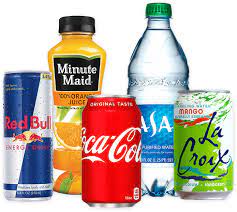
beverages

1. Water Clarification

Water clarity is imperative in making soft drinks. Impurities, like organic matter, suspended particles, and even bacteria, may have a negative effect to the color and taste of the products. Generally, they’re removed through the process of coagulation, chlorination, and filtration.

The coagulation process will involve combining a gelatinous precipitate into the water. This will absorb any suspended particles, making them larger. This will cause them to be trapped easily in the filters.

During water clarification, the alkalinity must be modified by adding lime to reach the targeted PH level.

2. Water Filtration, Sterilization, and De-chlorinating

The clarified water will then be passed through a sand filter to remove fine particles of the gelatinous material.

The sterilization process is vital to get rid of any bacteria that might degrade the quality of the color and taste of water. The water will then be pumped into a tank and a small quantity of free chlorine will be added. The now chlorinated water will stay in the tank for around two hours until the reaction is done.

After, an activated carbon filter will de-chlorinate the water and get rid of any residuals.

3. Combining the Ingredients

The flavor components and the dissolved sugar will be injected into the dosing area in a pre-determined order based on their compatibility. The elements will then be delivered into batch tanks where they will be combined carefully. The syrup can be sterilized while inside the tanks by using flash pasteurization or ultraviolet radiation. Fruit-based syrups are generally pasteurized.

The syrup and water are mixed carefully using high-end machines, which are known as proportioners. They are used to regulate the liquids’ flow rates.

4. Carbonation of the Beverages

Generally, carbonation is added to the final products. However, it can also be combined into the water earlier. How much carbon dioxide pressure is used will vary on the type of soda. For example, fruit sodas need less carbonation that other drinks, like tonics, which are designed to be diluted in other types of liquid.
5. Filling and Packing

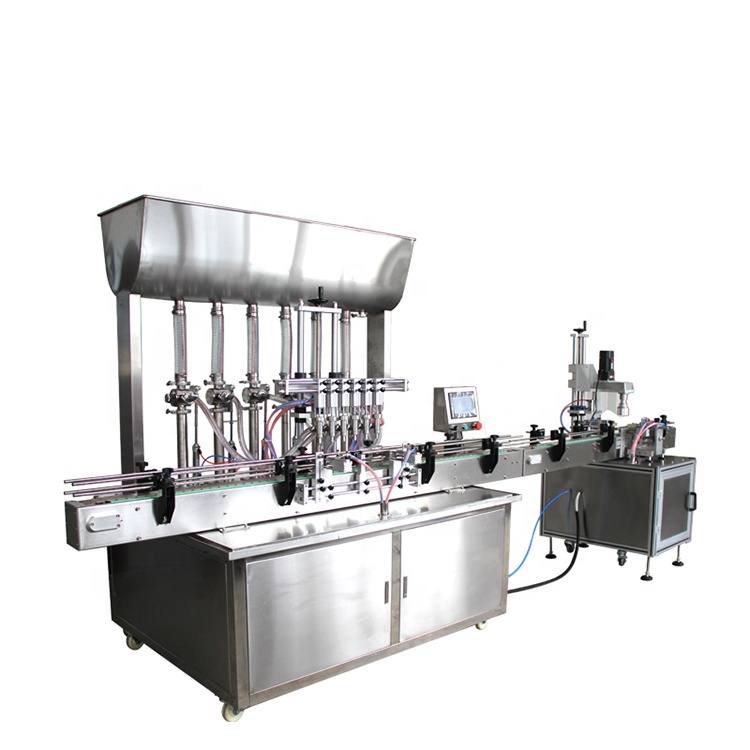
automatic 6 heads liquid filling machine hand sanitizer production line

The final products will then be transferred into cans or bottles at flow rates that are extremely high. The containers will be sealed right away with stoppers that are resistant to pressure. These stoppers can either be steel or tinplate crowns.

Since sodas are usually cooled during the production process, they will be placed in an area with room temperature before labeling to avoid condensation from destroying the labels. This is done usually by spraying warm water to the containers then drying them.

Labels are then placed to the bottles to provide details that include the brand and ingredients used. Other details that consumers should know are also affixed. Many labels are made from paper while some are made from plastic films. Soda cans are typically pre-printed with the product details before the filling process.

Finally, the finished products are packed into trays or cartons, ready to be shipped or delivered to distributors.

Did you know that before mayonnaise became a famous fast-food essential, it was a famous dip in Spain and was called Salsa Mayonesa?

As we all know, mayonnaise , which is commonly called as mayo, is a creamy condiment that is used to prepare well-loved snacks, such as salads, burgers, sandwiches, and even cupcakes. Traditionally, it’s made of vinegar, oil, and egg yolk. In some cases, different spices and mustard are added to enhance the flavor.

It started as a favorite dip in Spain and it advanced to other countries. It’s also believed that the term “mayonnaise” was derived from the French word, “moyeu,” which translates to egg yolk.

The earliest reference to this condiment was way back in the 19th century when it was included in the Alexandre Viard, a culinary encyclopedia.

Many people prefer mayonnaise over butter and cheese due to its special blend of salt and sweet flavors. It improves the tastes of various kinds of food, such as raw vegetables, breads, and burger buns.

However, mayonnaise is more than just a taste enhancer for food. It can also be used in other things that are not related to eating or dipping something!

✅ Eliminates Greasy or Sticky Stuff from Your Body

If you got something that won’t come off from your hand or any part of your body even when you already used soap and water, it’s likely that mayo will solve the problem. Mayonnaise can remove oil, car grease, and other components with similar features.

✅ Gets Rid of Water Blotches from Wood

You have probably noticed those glass stains on your wooden tables from glassware that was accidentally placed without a coaster. For people who are very particular with their furniture and other things, this can be frustrating. The good news is, it can be removed by using mayonnaise. Put about a spoon of mayo on the stain, apply a little bit of pressure while rubbing it with a paper towel. Then, leave the towel for a few hours. The explanation to this is that mayo will extract the water, while the paper towel will absorb it.

✅ Can be Used as a Home-made Hair Conditioner

The main ingredients of mayonnaise – oil, vinegar, and egg yolk, work well together to moisturize and nourish your hair. Also, the amino acid L-cysteine ​​present in it will help nourish your scalp for the healthy growth of your hair.

✅ Give Plants an Attractive Look

Many florists use mayonnaise to make their plants look healthy by making it shiny and attractive. You can do this to your plants, too. All you need to do is put a dab of mayo on a paper towel and gently apply to the leaves of your plants.

✅ A Lice Killer

One of the common problems parents share is lice. Many do not approve of using chemical-based solutions to kill lice on their children’s head. If you’re one of them, then you’re in for a treat! Mayo is an effective way of killing lice without worrying about any chemicals getting to your child’s hair and scalp. However, you need to use a lot of mayo, which may have an unpleasant smell, in order to kill lice. You also need to leave it on the hair for Several hours to make sure the parasites suffocate.

✅ Removes Crayon Stains

Another dilemma of parents is removing crayon stains from the walls. It’s close to impossible to keep watch of the children at all times. There will always be instances when you have to leave your child in the living room to cook or wash the dishes. come back, it’s already too late: crayon stains are everywhere! Good thing you have mayo in your fridge! They remove the stains without exerting too much effort.

✅Temporary Relief from Sunburn Pains

Some don’t believe this is true. However, it does provide temporary relief, but not that much. Some don’t experience it, especially when the sunburn is a bit severe. It doesn’t heal the affected part, but the cold temperature of mayo provides some comfort for mild sunburns.

✅ Makes Pianos Appear Brand New

There may be several piano cleaners and polishers available in the market, but many of them are quite expensive. If the keys of your piano appear that they’re in a really bad shape, applying mayo will make them look brand new in no time!

✅Strengthen Nails

If your nails are brittle, you can use mayonnaise to strengthen them. All you need to do is dip your fingers into the mayo and wait for at least five minutes. After, rinse your hands properly with soap and water to remove any unpleasant smell left by the mayo. This simple process will make your nails healthier and stronger and your cuticles softer.

✅ Moisturizes Skin

Use some mayonnaise and mix it with olive oil to nourish your dry skin. Stir the mixture well and apply to dry areas. Leave the mixture for about ten minutes, then remove it with the use of a damp cloth. The vinegar and oil in the mayo will make your skin stay hydrated and keep it from flaking.

✅ Get Rid of Stickers

Container labels, stickers, and tapes leave annoying sticky residues that can be difficult to remove. To avoid spending too much time removing these adhesives, you can use mayonnaise to finish the tasks faster.

✅ Cleans Silverware

Mayonnaise is known to be one of the most efficient ways of cleaning silver without the use of chemicals. If you prefer to clean your silver naturally, then cleaning it with mayo is your best option. All you need to do is apply some mayo to your silver spoons, forks, knives, and other silverware using a soft cloth. After, rinse it off with water. The mild acidity from the vinegar will get rid of tarnish and the oil from the mayonnaise will leave an attractive shine on your silverware.

Now that we’ve learned about the various unrelated food applications for mayonnaise, let’s get started on the mayonnaise-making machine!

Subscribe To Our Blog

[mailpoet_form id="1"]